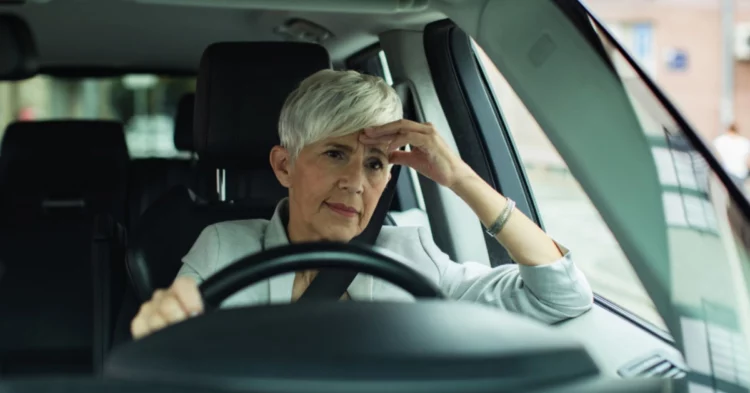
In 2025, Canada is implementing updated rules for senior drivers aimed at improving road safety while balancing independence for older adults. With the population of Canadians over 65 continuing to grow, the government and provincial authorities are taking measures to ensure drivers maintain the skills and awareness needed to operate vehicles safely.
The new rules focus on medical assessments, vision and cognitive testing, and license renewal procedures, affecting drivers nationwide. Understanding these changes is essential for seniors and their families to avoid penalties, maintain mobility, and ensure compliance with provincial regulations.
CPP and OAS Increase in 2025 – How Much Seniors Will Receive This Fall
CRA Direct Deposit Schedule September 2025: Eligibility & Amount
CRA Confirmed Extra Pension Boost for Canadian Seniors in September 2025
Key Updates in Senior Driving Regulations
1. Mandatory Medical Assessments
- Seniors over 75 years old may now be required to submit a medical report from a licensed healthcare provider
- Reports focus on vision, hearing, cognitive function, and physical mobility
- The goal is to identify medical conditions that may impair safe driving
2. Enhanced Vision Testing
- Regular vision tests are now mandatory for drivers 75 and older during license renewal
- Drivers must meet minimum standards for visual acuity and peripheral vision
- Those who fail will be referred to a specialist for further assessment
3. Cognitive Screening
- Provinces may require brief cognitive assessments for drivers over a certain age to evaluate memory, reaction time, and decision-making
- Assessments aim to detect early signs of dementia or other cognitive impairments affecting driving safety
4. Gradual License Renewal Changes
- Seniors may face shorter license renewal periods, typically every 2–3 years instead of 5
- Renewal requirements may include on-road tests if medical or cognitive concerns are flagged
- Allows authorities to monitor driving ability more closely while giving seniors the opportunity to maintain independence
5. Adaptive Licensing Options
- Some provinces offer restricted licenses, allowing seniors to drive only during daylight hours or within specific areas
- Helps seniors remain mobile while reducing risk in challenging driving conditions, such as night-time or heavy traffic
Tips for Seniors to Stay Compliant
- Schedule Regular Medical Check-Ups: Maintain documentation of your health to meet licensing requirements
- Check Provincial Renewal Requirements: Rules vary by province; consult your local transportation or licensing authority
- Consider Driving Assessments: Many provinces offer voluntary driving evaluations to identify areas for improvement
- Adapt Your Driving Habits: Avoid high-risk situations, such as night driving or long highway trips if mobility or reaction times are reduced
- Stay Informed About Technology: Modern vehicles may offer driver-assist features such as lane-keeping, automatic braking, and blind-spot detection, enhancing safety for older drivers
Implications for Seniors and Families
- Peace of Mind: Families can be confident that older relatives are meeting safety standards
- Independence: Adaptive licensing ensures seniors retain mobility while addressing safety concerns
- Financial Planning: Shorter renewal cycles or required assessments may involve costs for medical exams or driving tests
- Community Safety: Reduces the risk of accidents involving older drivers without unnecessarily restricting their freedom
Key Takeaways
- Canada’s 2025 senior driving rules introduce mandatory medical and vision checks, cognitive assessments, and updated license renewal procedures
- Drivers 75 and older are most affected, but some provinces may apply certain rules to drivers 65+
- Adaptive and restricted licenses allow seniors to continue driving safely while managing risk
- Staying informed, maintaining health documentation, and leveraging voluntary driving assessments are critical for compliance
By understanding these new regulations and taking proactive steps, Canadian seniors can continue to drive safely, maintain independence, and avoid penalties in 2025 and beyond.