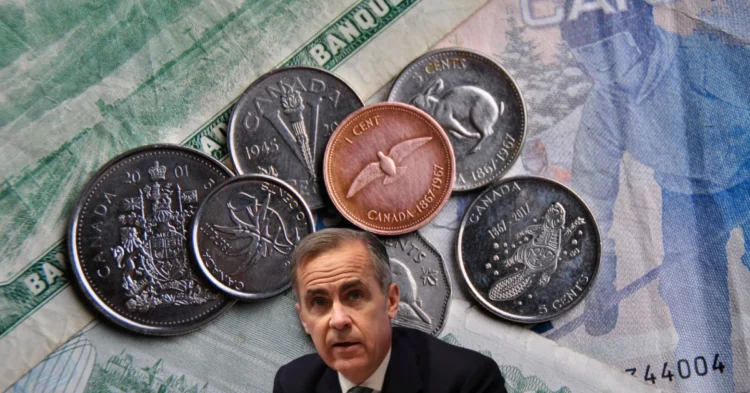
The Government of Canada has confirmed a new minimum wage increase that will take effect in October 2025, impacting federally regulated industries and setting a benchmark for provinces and territories. This wage adjustment comes as part of Canada’s broader efforts to address rising inflation, ensure fair pay for workers, and improve affordability for households across the country.
In this article, we’ll break down the new minimum wage rates, how they will affect different sectors, and what workers and employers should expect going forward.
Confirmed $844 CPP + $814 OAS Payments October 2025: Eligibility, Dates, and Key Details
Extra $700 GST/HST Credit Payment Coming This October 2025 – Who Qualifies and When to Expect It
Overview of the October 2025 Minimum Wage Hike
Starting October 1, 2025, the federal minimum wage will increase to $18.15 per hour from the previous rate of $17.30 per hour. This adjustment reflects changes in the Consumer Price Index (CPI), ensuring that wages keep pace with inflation and the rising cost of living.
This increase applies to workers in federally regulated sectors, which include:
- Banking
- Postal services
- Interprovincial transportation (airlines, trucking, shipping, railways)
- Telecommunications
- Federal Crown corporations
For employees in non-federal sectors, the applicable minimum wage will depend on their province or territory, but many regions are also adjusting their minimum wage levels in line with inflation.
Why the Minimum Wage Is Increasing
The federal government reviews minimum wage annually, tying adjustments to inflation and consumer price data. The October 2025 increase is particularly significant because:
- Inflation pressures: Rising costs of groceries, housing, and utilities have put pressure on working Canadians.
- Living wage gap: In many parts of Canada, minimum wages still fall short of what is considered a living wage.
- Worker retention: Employers are facing labour shortages, and higher wages help attract and retain staff.
- Fair pay policies: Canada is aligning its labour standards to ensure wage fairness across regions.
Provincial and Territorial Wage Rates in 2025
While the federal minimum wage is $18.15, provincial governments set their own minimum wage policies. Many provinces have announced increases for October 2025 as well:
- Ontario – Rising to $17.20 per hour
- British Columbia – Increasing to $17.80 per hour
- Alberta – Holding at $15.00 per hour (no planned increase yet)
- Quebec – Increasing to $16.65 per hour
- Manitoba – Set to rise to $16.50 per hour
- Saskatchewan – Increasing to $16.00 per hour
- Atlantic provinces (e.g., Nova Scotia, New Brunswick, PEI, Newfoundland) – Moving toward $16.50–$17.00 per hour
- Territories (Yukon, NWT, Nunavut) – Already above $17, expected to align closely with or exceed $18
This creates a more even wage standard across the country, helping reduce regional disparities.
Who Benefits from the Minimum Wage Hike?
The increase will benefit several groups:
- Young workers and students working in retail, hospitality, and service industries.
- Low-income households, where minimum wage jobs are the primary source of income.
- Part-time and casual workers, who make up a significant portion of the Canadian workforce.
- Women and newcomers to Canada, who are statistically more likely to earn minimum wage.
Impact on Employers and Businesses
For employers, especially small and medium-sized businesses, this increase may bring additional payroll costs. However, there are also potential benefits:
- Improved employee satisfaction and retention.
- Stronger consumer spending power, as workers have more disposable income.
- A more competitive labour market, reducing turnover.
Some businesses may need to adjust pricing or explore efficiency improvements to offset higher labour expenses.
What Workers Should Do Next
If you are earning minimum wage or close to it, here’s what to keep in mind:
- Check whether your sector is federally or provincially regulated.
- Review your pay stubs in October to ensure your employer reflects the new rates.
- If you work multiple jobs, confirm wage adjustments with each employer.
- Stay informed about future annual increases, as Canada continues indexing minimum wage to inflation.
The October 2025 minimum wage hike is a crucial step toward addressing affordability challenges across Canada. While it may pose challenges for some businesses, it ultimately helps workers keep pace with rising living costs and ensures fairer wages nationwide.
As inflation continues to impact Canadians, the government is expected to maintain annual adjustments, meaning workers can anticipate further wage reviews in April 2026.